North Line Gaming · Playtest review
Rampartloom playtest review: A promising maze needs more reasons to stay
Satisfying maze building and an accessible opening give Rampartloom a promising foundation, but its factions and later matches need more depth.
The early verdict
Rampartloom makes a decent first impression. Building a defensive maze, arranging overlapping towers, and sending enemies toward the opposing team is immediately understandable. There is something satisfying about watching an empty lane become a defense you designed yourself. The problem arrives once that defense is established: building gives way to upgrading, attacks start to feel interchangeable, and the decisions that made the opening enjoyable become less interesting.
Getting started
The opening is its strongest argument
I played the publicly accessible test on PC with mouse and keyboard, trying several factions. My matches were against bots; I never encountered another human player.
My reference point for this kind of game is the tower-defense and Tower Wars maps that grew out of Warcraft III. Rampartloom taps into that familiar appeal: build your defense while investing in attacks that put pressure on the other side.
It gets you playing quickly. The game taught me enough to begin without needing a guide, and matchmaking generally put me into a match within about three minutes, even when bots had to fill the spaces.
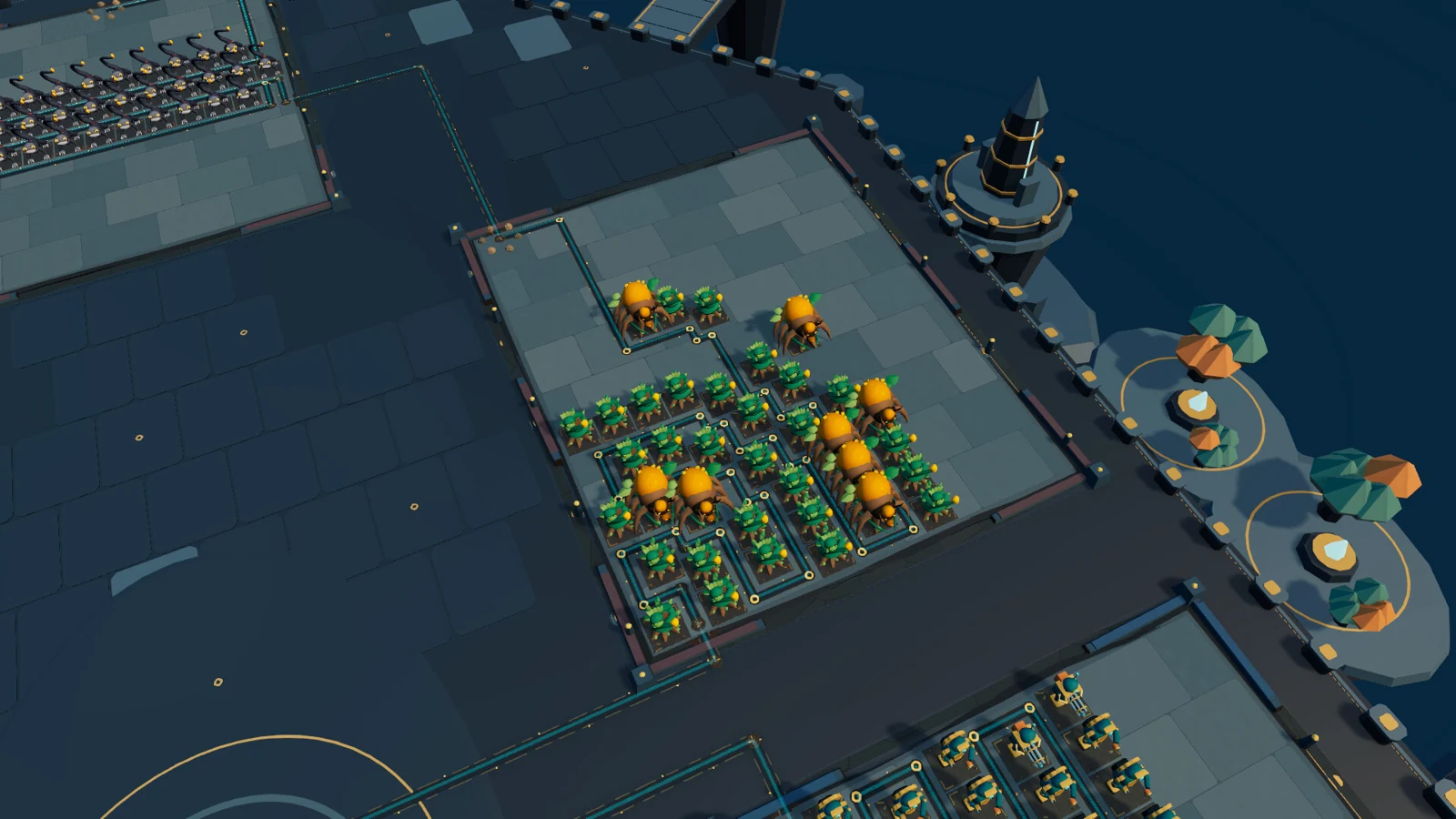
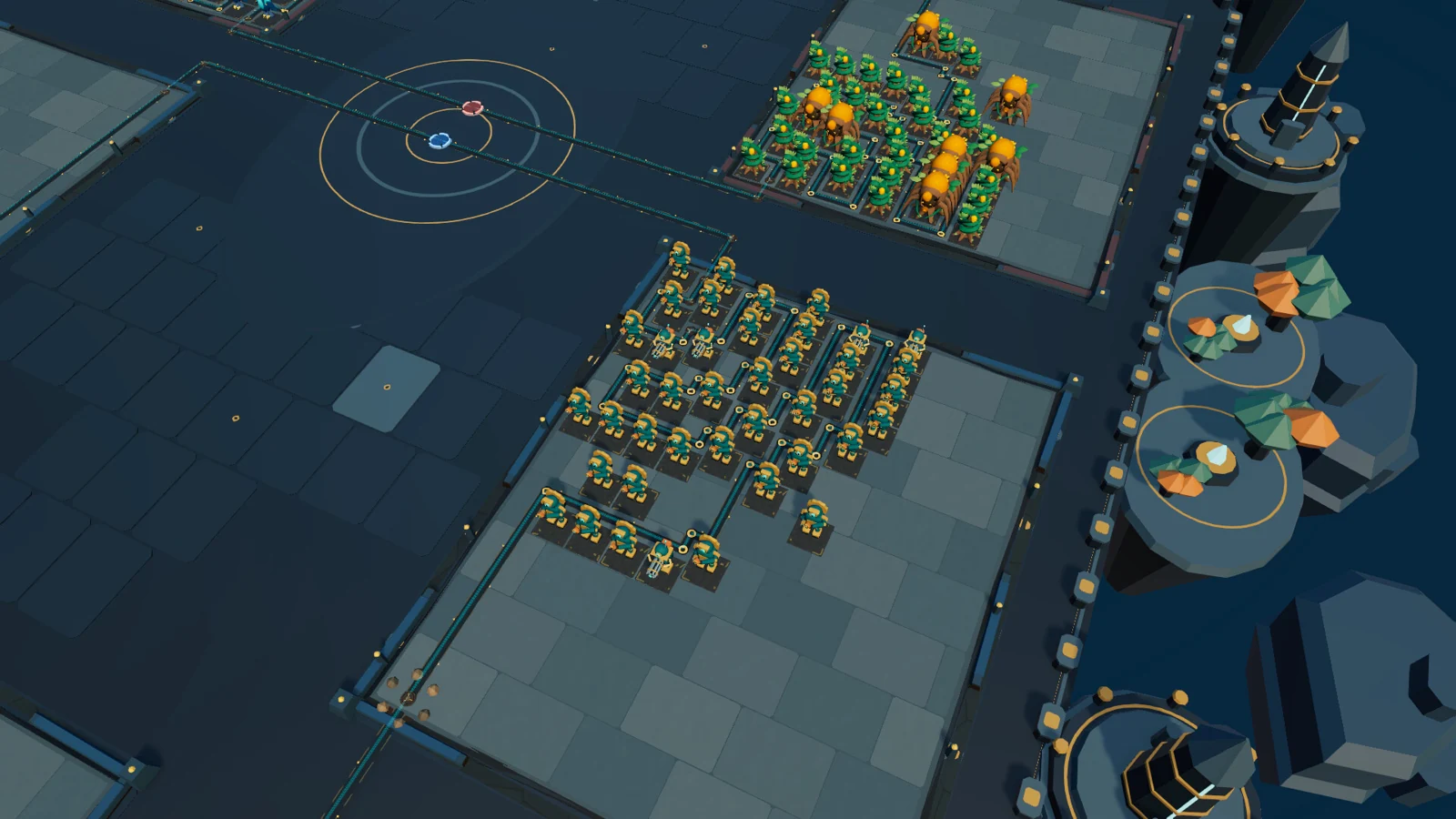
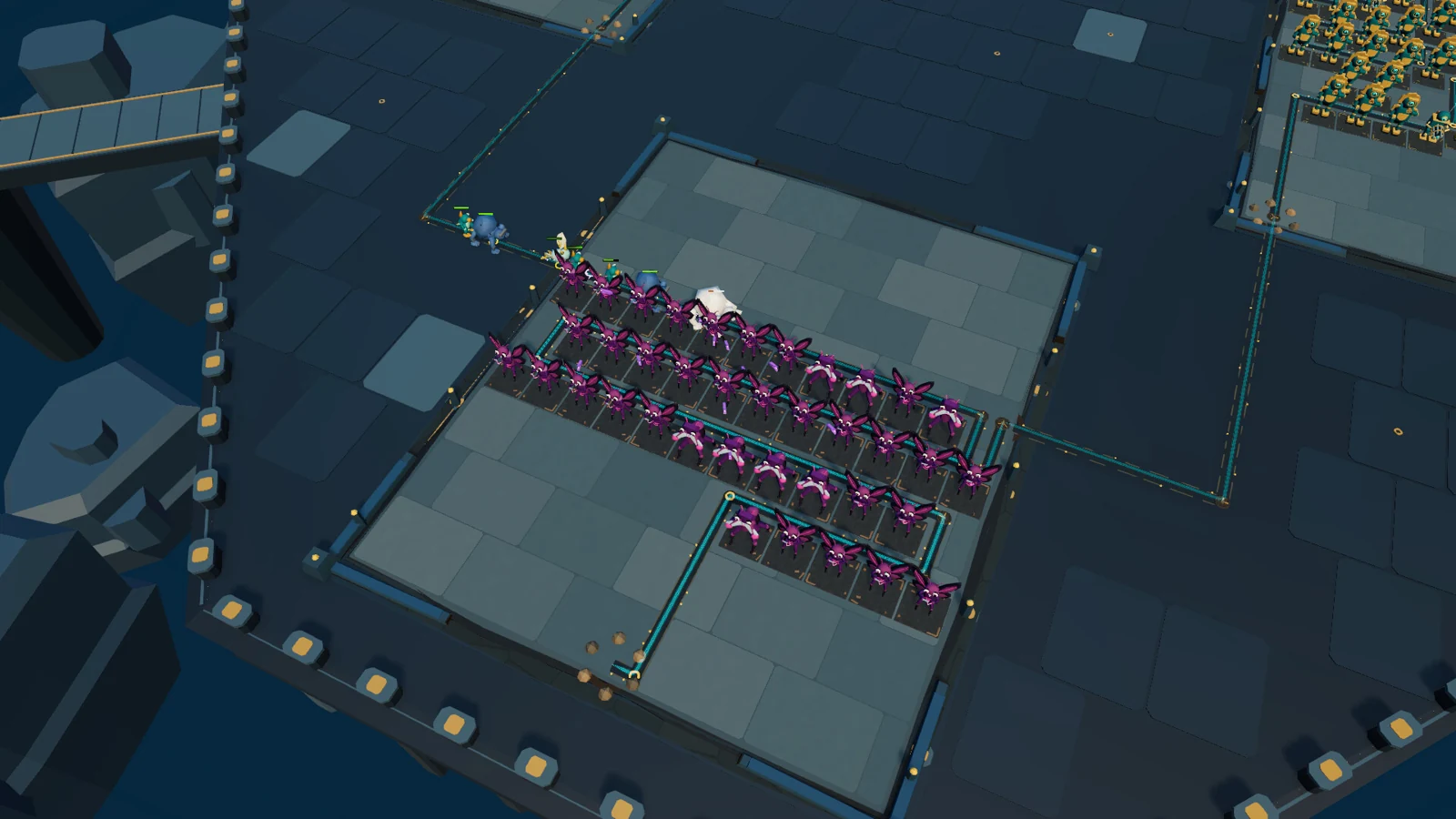
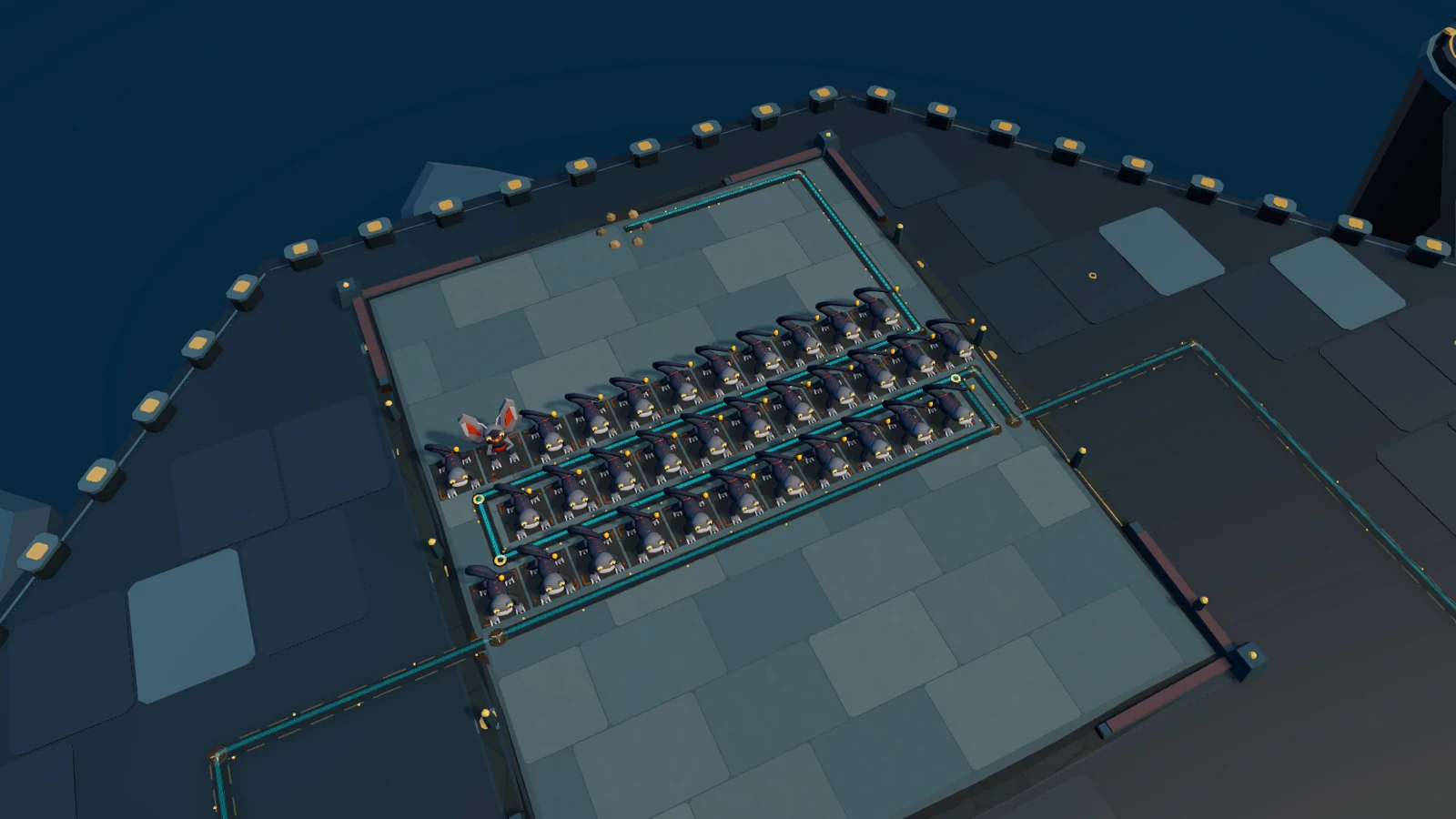
The most enjoyable part was organizing my towers into an actual maze. Choosing where enemies would travel and where towers could cover that route gave me something tangible to work on. The freedom to arrange the layout is a genuine strength, and the presentation is clear enough to follow what is happening.
For those opening minutes, Rampartloom feels like a pleasant, approachable strategy game. I could see the appeal for someone who wants to sit down, build something, and get a match going without a long learning process.
Match depth
Once the maze is built, the choices narrow
My enthusiasm declined as matches continued. Once I had filled out my buildings, the creative part of the match largely disappeared. I was upgrading towers, sending more assault units, and increasing my income so I could repeat the process. The game still became more demanding, but that did not consistently make it more interesting.
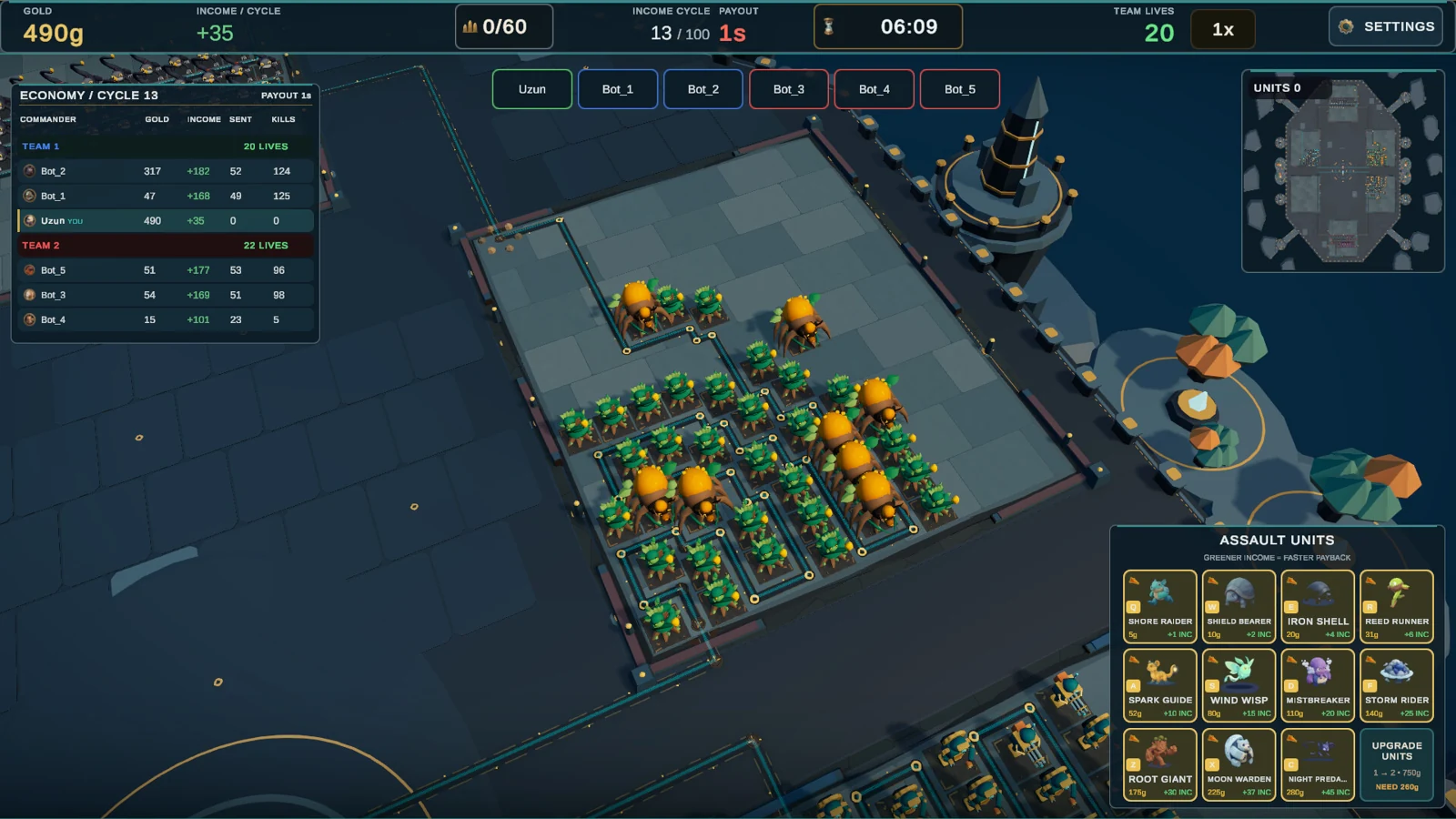
Sending assault units seemed to have the greatest effect on my success because it kept my income growing. In the matches I played, the incentive was usually to keep sending rather than make a carefully timed decision about a particular enemy type.
That left me wanting more meaningful differences between those units. Too often, I felt as though I was sending variations of the same thing to support the same economic loop.
The opening five to ten minutes generally had the best pacing. Later stretches could become slow and repetitive, with fewer new decisions to make. When I stopped playing, the feeling was usually that I had seen more of the same rather than discovered another layer.
Factions and towers
Fewer factions with stronger identities would help
Rampartloom advertises twelve factions, but the ones I tried did not feel different enough in practice. There are thematic differences, and those could become a useful foundation. What I wanted was for those themes to change how I built and how I responded to an attack.
The ice faction is a good example. I expected slowing enemies to become a noticeable part of its identity, but I struggled to tell whether that effect was making a meaningful difference. That is not enough evidence to say the mechanic was broken. It does suggest that its impact needs to be clearer to the player.
The tower progression also felt too straightforward. Building a basic tower and moving up to the next option did not give me enough interesting branches or combinations. I wanted decisions that changed what a tower did, rather than primarily increasing the strength of my defense.
Personally, I would rather see four or five factions with distinct abilities and well-developed tower choices than a larger selection that feels similar. Establish those differences first, then expand.
Playing a match
Bots keep it playable
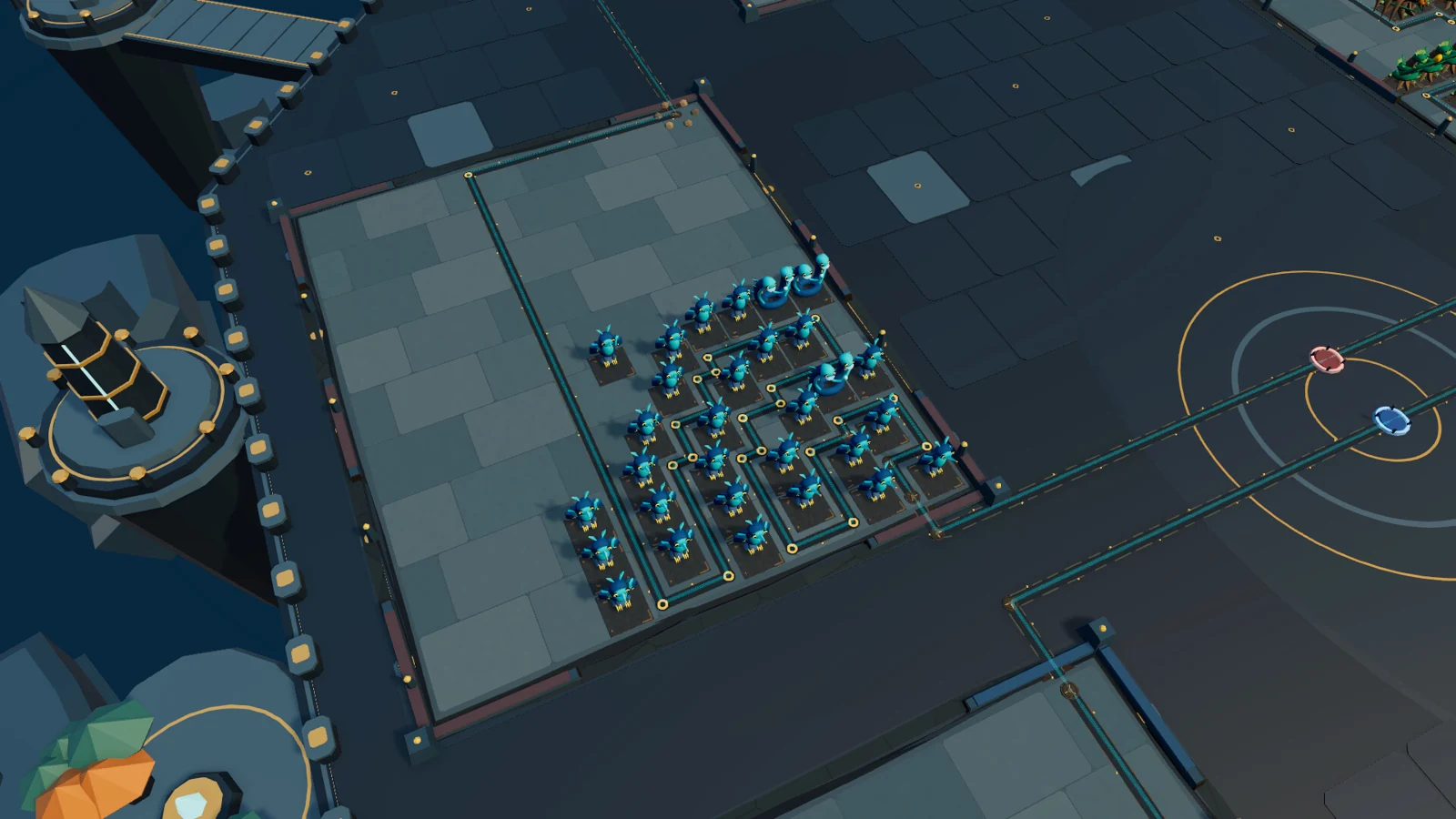
I was impressed with the bots. They kept matches moving and made it possible to experience the game despite not finding other players. That is valuable for a small multiplayer project. An empty queue could have prevented me from learning anything about Rampartloom. Instead, I could get in and play.
The center position felt particularly forgiving at the beginning. I could concentrate on sending troops without immediately needing to build much defense. Whether a coordinated human team could exploit that approach is something I could not test.
Losing also tended to feel like the beginning of further losses. I did not find a clear, satisfying way to reverse that momentum. More readable feedback about what broke through—and which defensive change might help—would make those moments easier to learn from.
Presentation and performance
A tidy presentation with some rough edges
Rampartloom looked reasonably cohesive in play. Its low-poly towers did not bother me, and I found the action easy to read. For a project at this stage, the overall presentation made a better impression than I expected.
It also ran smoothly on my PC, and I did not encounter significant bugs during these matches. Technical problems were not what limited my enjoyment.
The sound needs more consistency. Some tower effects were pleasant to listen to; others were noticeably harsh by comparison. The music made a better impression.
Menus were functional but limited. I wanted a fuller settings menu, more control over the experience, and an option to move the camera by holding the right mouse button instead of relying on the middle button. The text and numbers also had a default-looking presentation that could use more attention.
These are smaller concerns than the gameplay depth, but they would make repeated sessions more comfortable.
Development
AI assets are disclosed; the gameplay still needs to deliver
The developer’s Steam disclosure confirms that AI tools assisted with visual and audio assets. It also describes the playtest’s AI-generated models and animations as temporary, with replacements planned. That is a development intention, rather than a finished improvement we can assess today.
For me, that disclosure does not settle whether the game is worth playing. I enjoyed parts of the presentation. My larger concern is whether the decisions underneath it remain engaging.
Tools that help a small developer build a playable game can create opportunities. Rampartloom still needs stronger mechanics, clearer faction identities, and more variety to turn that opportunity into something lasting.
Why cover it?
Small projects deserve thoughtful attention
Rampartloom deserves attention as a small project with an enjoyable starting point. Its accessible learning curve, maze building, and capable bots make it easy to try.
Right now, I do not feel much pulling me back beyond increasing my rank. I did not find meaningful progression between matches, and I could not find a way to compare other players’ ranks. Better competitive feedback and worthwhile longer-term goals could help, although those would need to support a more varied match experience.
Part of why I wanted to cover Rampartloom is that smaller developers deserve thoughtful criticism and exposure, too. Giving a project attention means explaining what works and where it falls short. Here, the maze building works. The depth around it needs considerably more development.
There is a foundation worth improving. I would like to see what happens when the factions become more distinct and the later minutes of a match become as engaging as the first.
The North Line verdict
Worth a free look, with substantial work ahead
I would try the free playtest if quick tower-defense matches appeal to you. Based on this version, I would not recommend spending money on it. Its maze building is enjoyable, but stronger faction identities, deeper tower choices, and more engaging later matches would give me a reason to return.
What works
- Easy to learn and quick to get into.
- Satisfying freedom when arranging a defensive maze.
- Capable bots and smooth performance in the matches tested.
What holds it back
- Towers, factions, and assault units need more meaningful differences.
- Matches become repetitive once the initial building phase ends.
- Limited progression, competitive visibility, and settings.
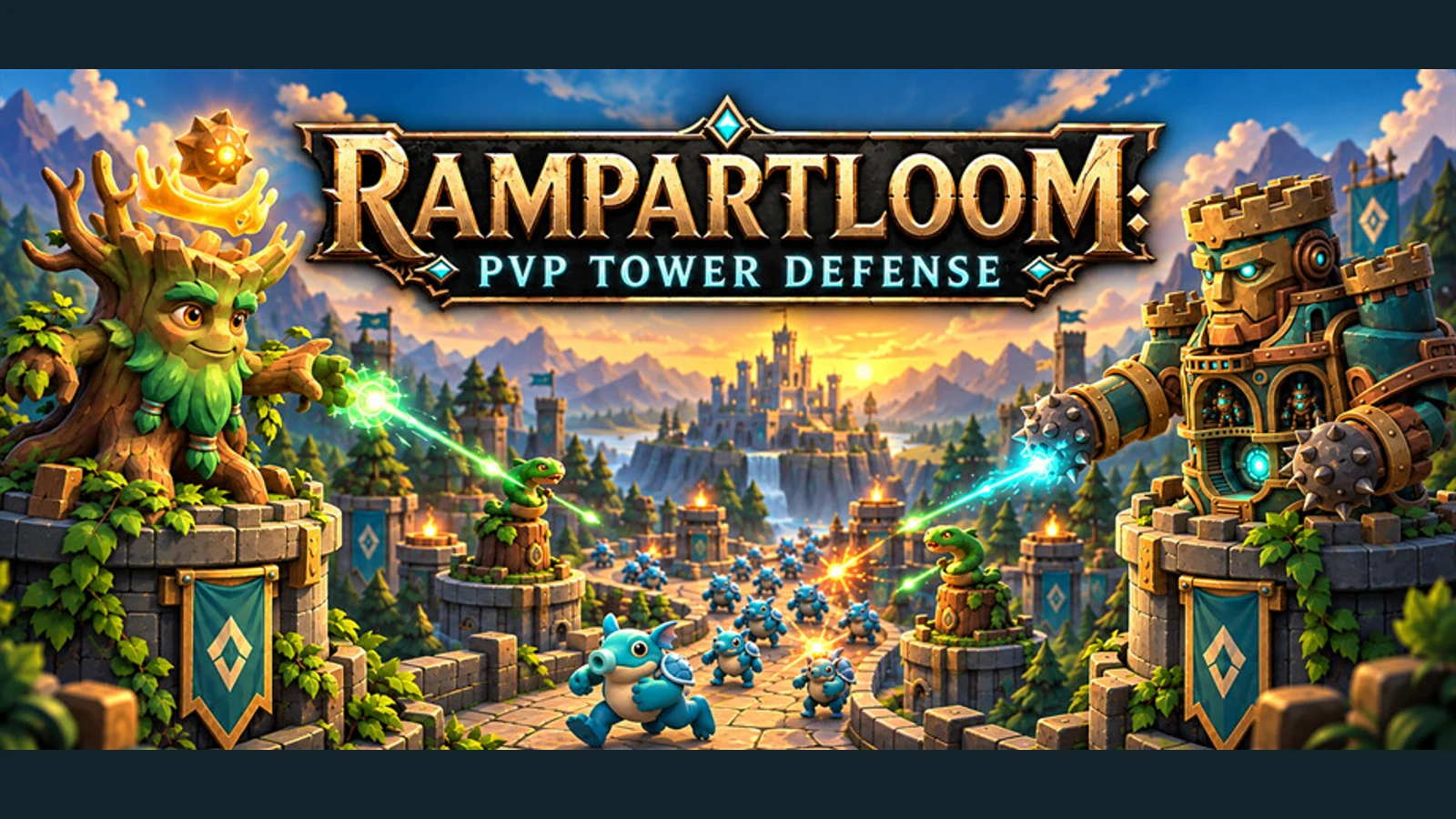
- Rampartloom: PvP Tower Defense on Steam — Mumin Bayar / Steam. Published: Date not listed. Supports: Open development playtest, planned free-to-play release, faction count, and developer AI asset disclosure..
About the author

Able, Chief Editor
Able has spent six years reviewing games and following the stories around them. He focuses on what changed, what is worth a player’s time, and the context that gets lost in the announcement cycle.
Read this editor’s profile