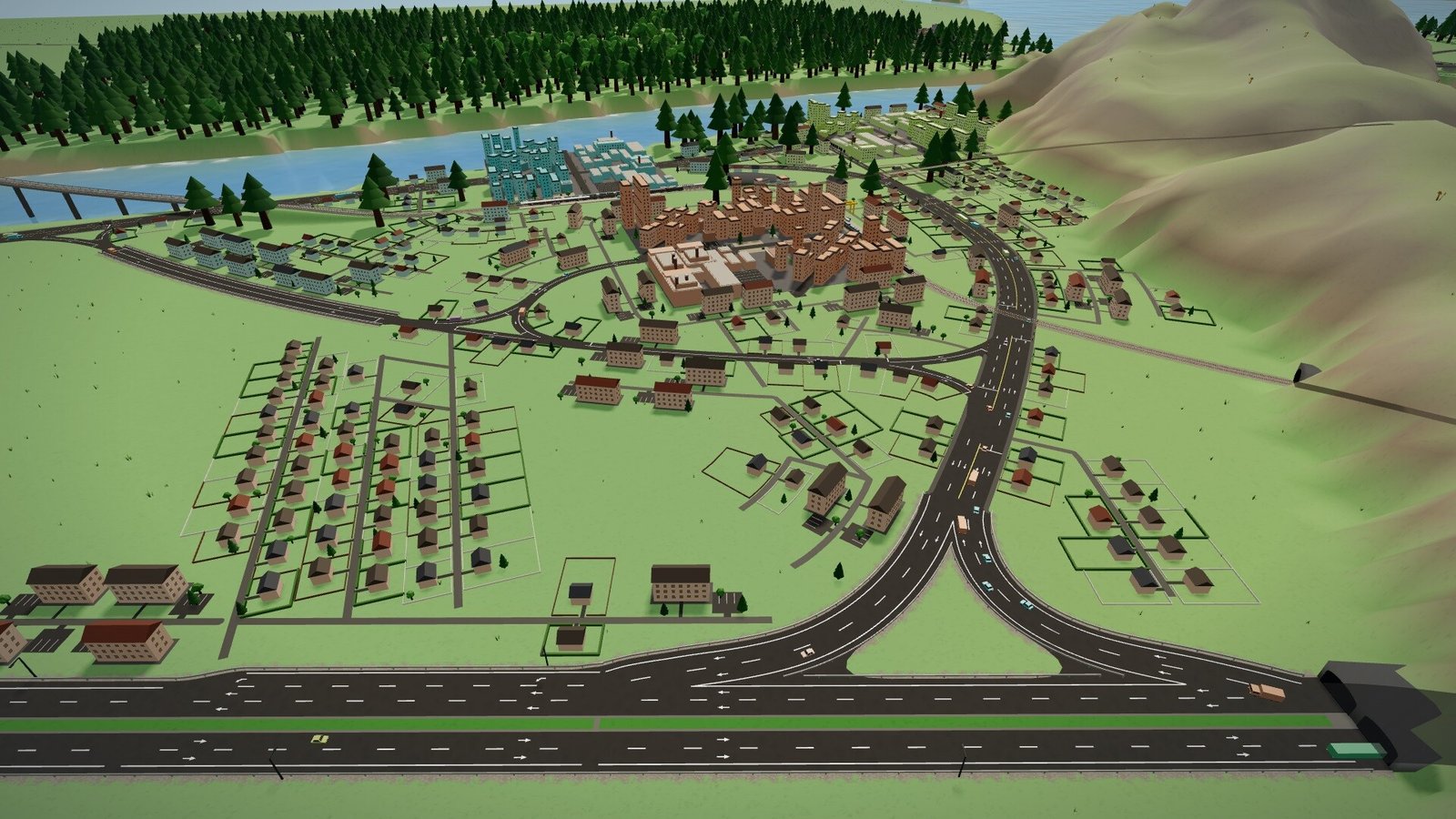
The city grows; the roads need help
Traffic Architect is a transport-planning simulation developed and published by Green Signal Games, with a playable Steam Next Fest demo. The city develops on its own while players build streets, shape junctions and manage traffic. New buildings create new journeys, so the network has to respond to demand rather than simply look complete.
A red light is a design decision
Traffic-light timing, turn restrictions, interchanges and additional road links provide different ways to address congestion. The game also describes buses, passenger rail, metro and freight trains. That makes public transport part of the same network problem: moving people or goods another way can relieve a road without rebuilding every junction around it.
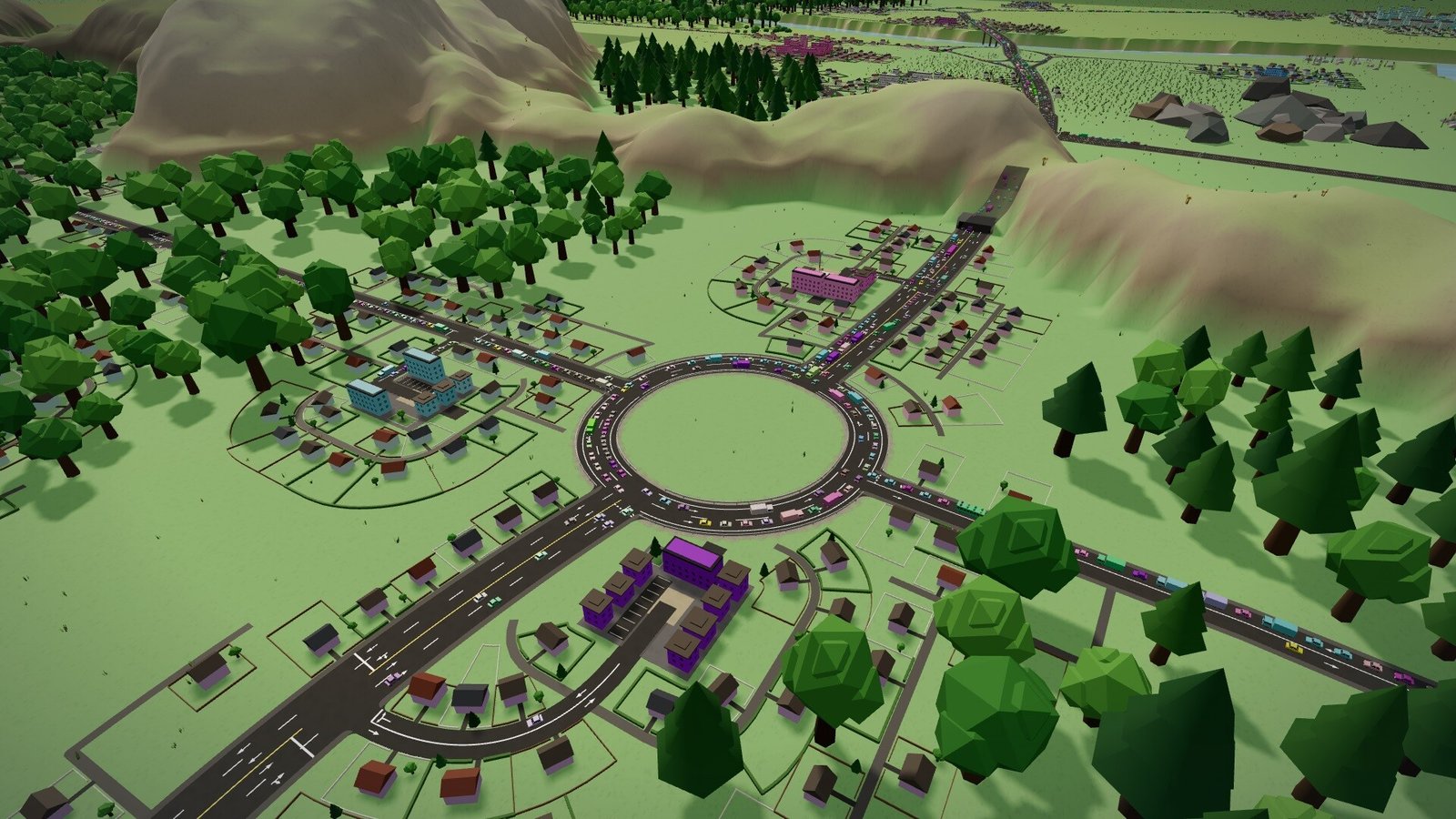
For players who cannot leave a traffic jam alone
The appeal is a readable cause-and-effect loop: notice a bottleneck, change the infrastructure and watch the result. Traffic Architect looks particularly relevant to city-builder fans whose favourite task is fixing transport. Giving the rest of the city some autonomy may leave more time for the detailed, satisfying business of making one awkward crossing work.
Playable demo: Yes — Download the Traffic Architect demo on Steam.
Sources and reporting
- Traffic Architect — Green Signal Games / Steam. Published or updated: date not listed. Supports: developer and publisher credits, advertised game premise and features, and Next Fest demo.
- Traffic Architect Demo — Green Signal Games / Steam. Published or updated: date not listed. Supports: released, free playable demo and download destination.
About the author

Able, Chief Editor
Able has spent six years reviewing games and following the stories around them. He focuses on what changed, what is worth a player’s time, and the context that gets lost in the announcement cycle.
Read this editor’s profile