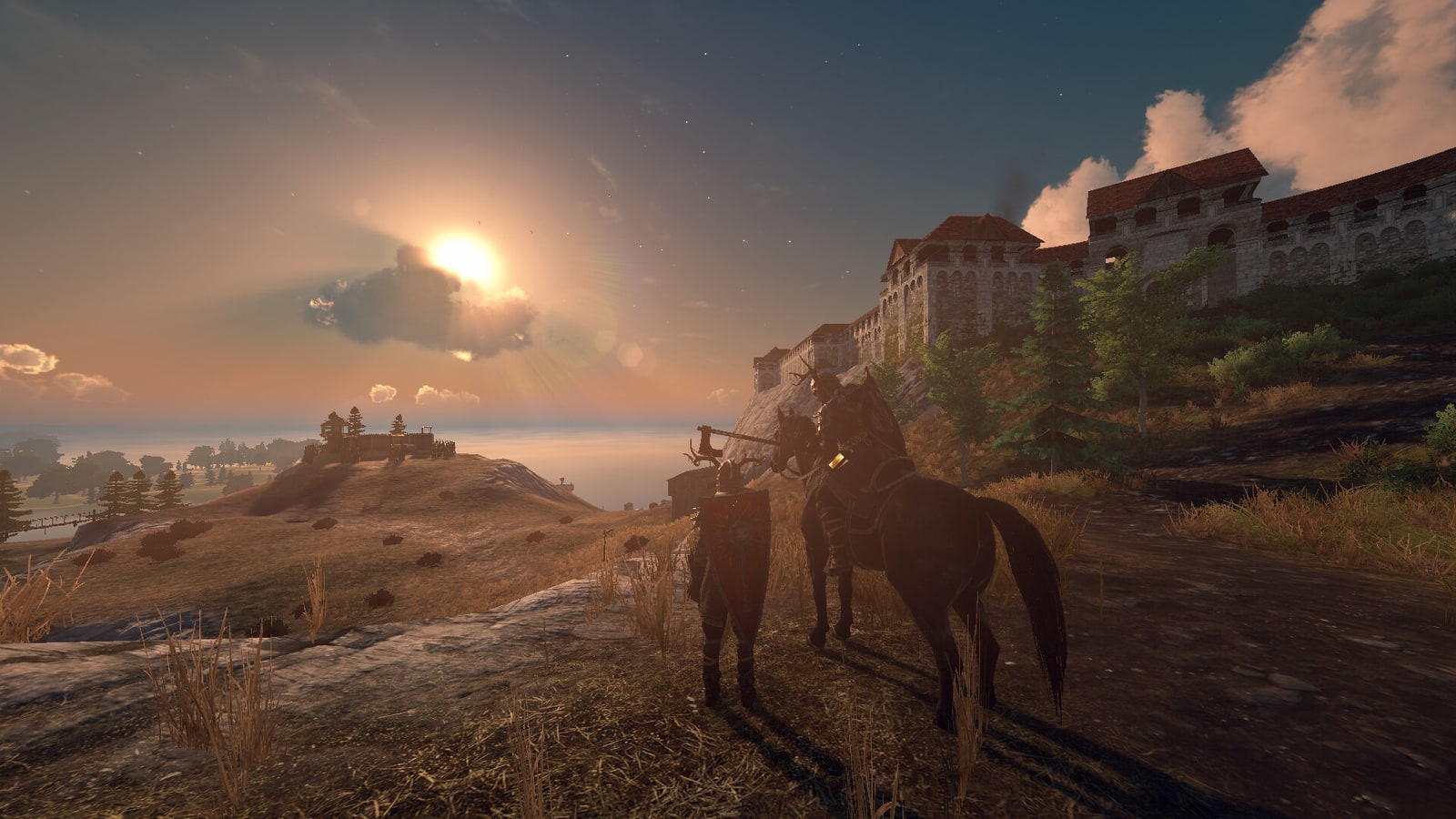
Gloria Victis has a timely reason for players to return: its Halloween event is scheduled for October 21–November 4, with special quests and rewards. But a quieter part of its development plans may matter more after the seasonal attractions end. The proposed Greenleaf Centre is intended to help players understand the game and find a useful next step. [1][2]
That is a worthwhile subject for a PvP-focused MMO. A world can be full of meaningful activity and still feel empty to someone who does not know where to begin. The problem is not always a shortage of things to do. Sometimes it is the gap between the tutorial and the point where another player expects you to know what you are doing.
Teach an activity, then give it a purpose
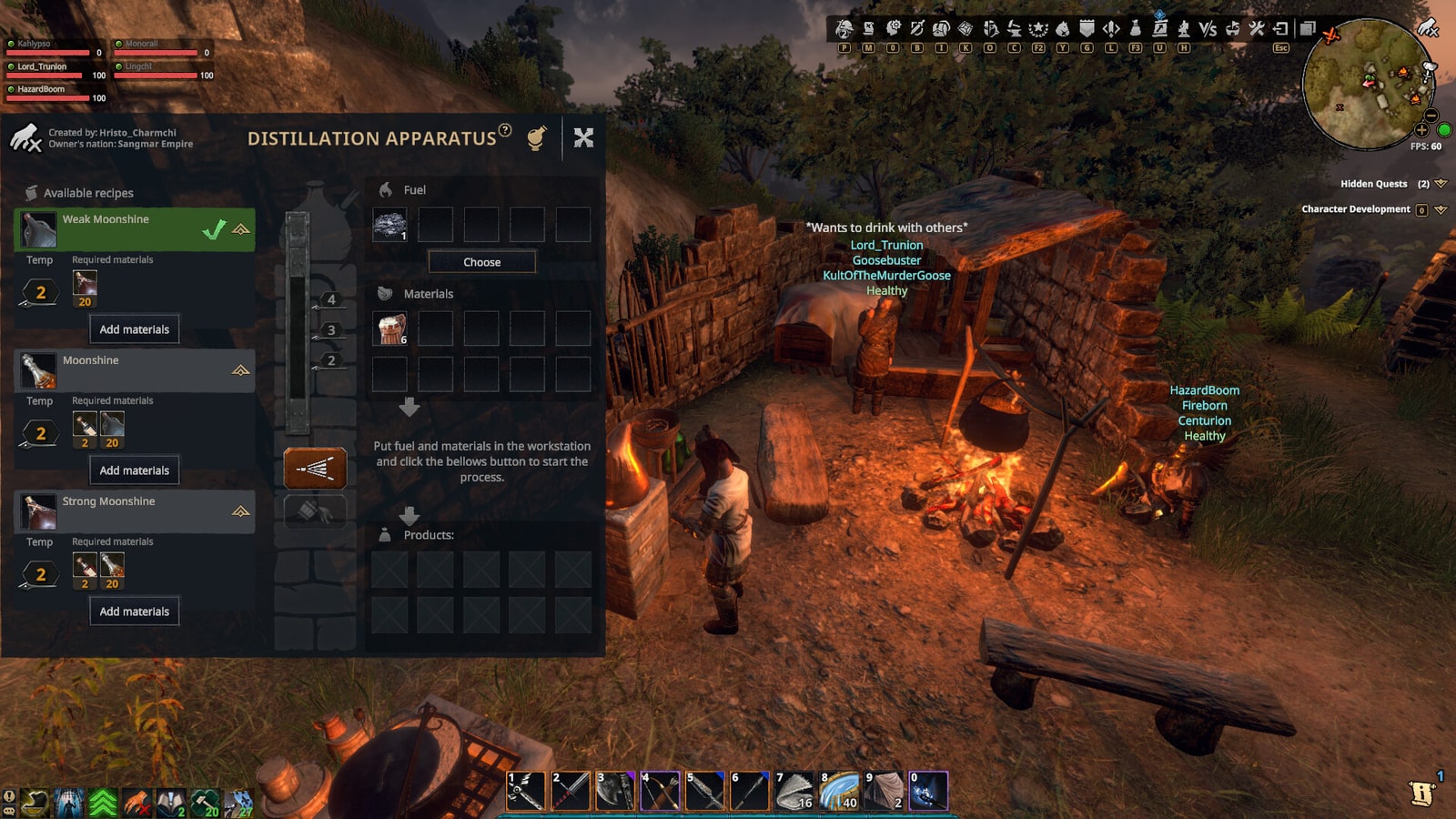
The September 24 proposal describes a checklist, a compendium, and a revised mentoring system. Guidance would cover combat, exploration, social play, and crafting. The developers distinguish between reading an explanation, watching a demonstration, trying an activity, and reaching a milestone. They stress that the plans remain a work in progress. [2]
That structure has a better chance of being useful than a wall of introductory text. Reading what a siege is and joining one are different stages of understanding. A good system should connect them without pretending the first automatically prepares someone for every situation in the second.
There is a risk in the checklist format, though. A player may become very efficient at clearing notifications while remaining unsure how the pieces fit together. The strongest tasks would explain why an activity matters and leave room to make a decision, rather than reward the mere act of touching every menu.
For returning players, the compendium could be the more useful half. Someone who remembers the broad idea of a game may need a specific answer about equipment or travel, not an instruction to repeat their first hour. Guidance should be easy to revisit without treating every question as a new-player failure.
Mentoring should mean playing together
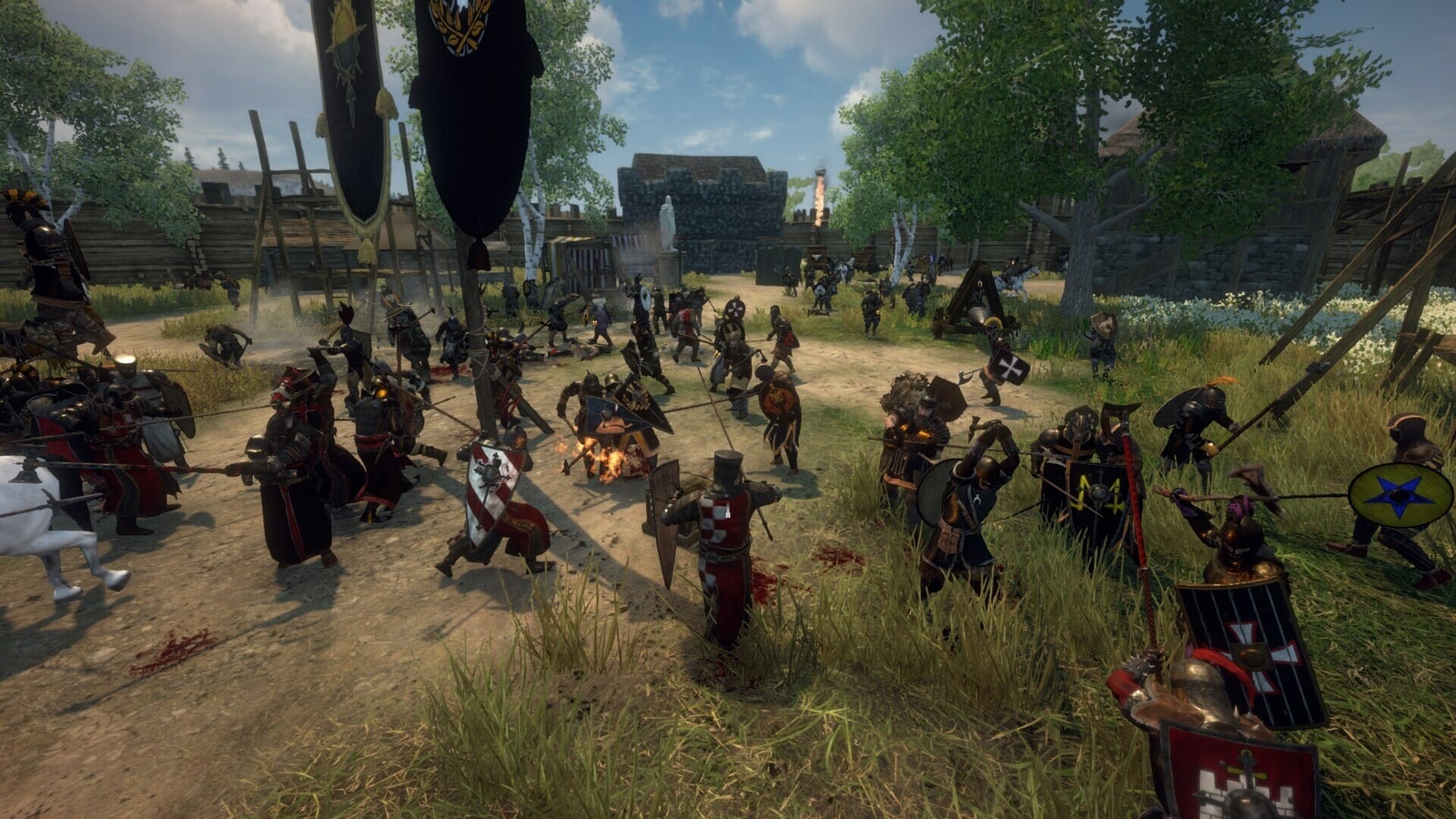
The developers are considering more ways to earn Mentor Points through cooperative activity, including grouped progress, shared fighting, and gathering nearby. They also propose clearer tracking, help-chat commendations, and a referral mechanism connecting newcomers to a mentor. These are proposed incentives, rather than a description of a finished system. [2]
The important part is what the incentives would reward. If teaching consists mainly of attaching your name to a new account and waiting, the game has built a referral counter. Rewarding useful shared activity could make the relationship more active.
It would still need careful limits. A helpful veteran should have a reason to explain a choice and let a newcomer participate. If the fastest route to a reward is carrying somebody through an activity they cannot understand, the points system can undermine its own purpose.
New players also need room to leave a bad match. A mentoring arrangement should help someone enter the community, rather than make them feel attached to the first person whose code they used. Trust grows through useful interaction; a dashboard cannot award it automatically.
Small restrictions can send a large message
The October 15 update offers a concrete example of reducing unnecessary friction. The developers removed tier and nationality restrictions on equipment skins while retaining compatible-item requirements and a different appearance for lower-tier gear. That is a released change, separate from the proposed Greenleaf work. [1]
Cosmetics are not onboarding in the usual sense, but the connection is understandable. A player who owns an appearance should not need to solve an unrelated equipment puzzle just to use it on a compatible item. Removing an arbitrary restriction can help the game feel more coherent.
The same principle applies to learning. Difficulty in combat can be part of the appeal. Difficulty finding the explanation for a basic system generally adds less. An MMO does not lose its identity because it tells someone where the useful information lives.
The first good evening matters
We would judge Greenleaf by what a player can do after using it. Can they find an activity suited to their current character? Can they understand the consequence of entering a fight? Have they met someone they would willingly play with again?
Those are more meaningful outcomes than the number of tutorial boxes closed. They are also harder to achieve, because the system has to connect information to the social world around it.
Halloween can provide an invitation, and new rewards can provide a short-term goal. The Greenleaf proposal is interesting because it addresses the stretch between arriving and belonging. If it helps a newcomer finish one satisfying evening and form a plan for the next, that may be a more valuable addition than another impressive feature they never learn how to reach.
Sources and reporting
- Gloria Victis Weekly News | Halloween Awaits, Skin Updates & PvP Updates! — Gloria Victis developer via Steam. Published or updated: October 15, 2026. Supports: October 21–November 4 Halloween dates and announced activities; released equipment-skin restriction changes and remaining limitations.
- Gloria Victis Weeky Update | A First Look at the Greenleaf Centre — Gloria Victis developer via Steam. Published or updated: September 24, 2026. Supports: Proposed checklist, compendium, activity categories, mentoring incentives, commendations, referrals, and explicit work-in-progress status.
About the author

Able, Chief Editor
Able has spent six years reviewing games and following the stories around them. He focuses on what changed, what is worth a player’s time, and the context that gets lost in the announcement cycle.
Read this editor’s profile