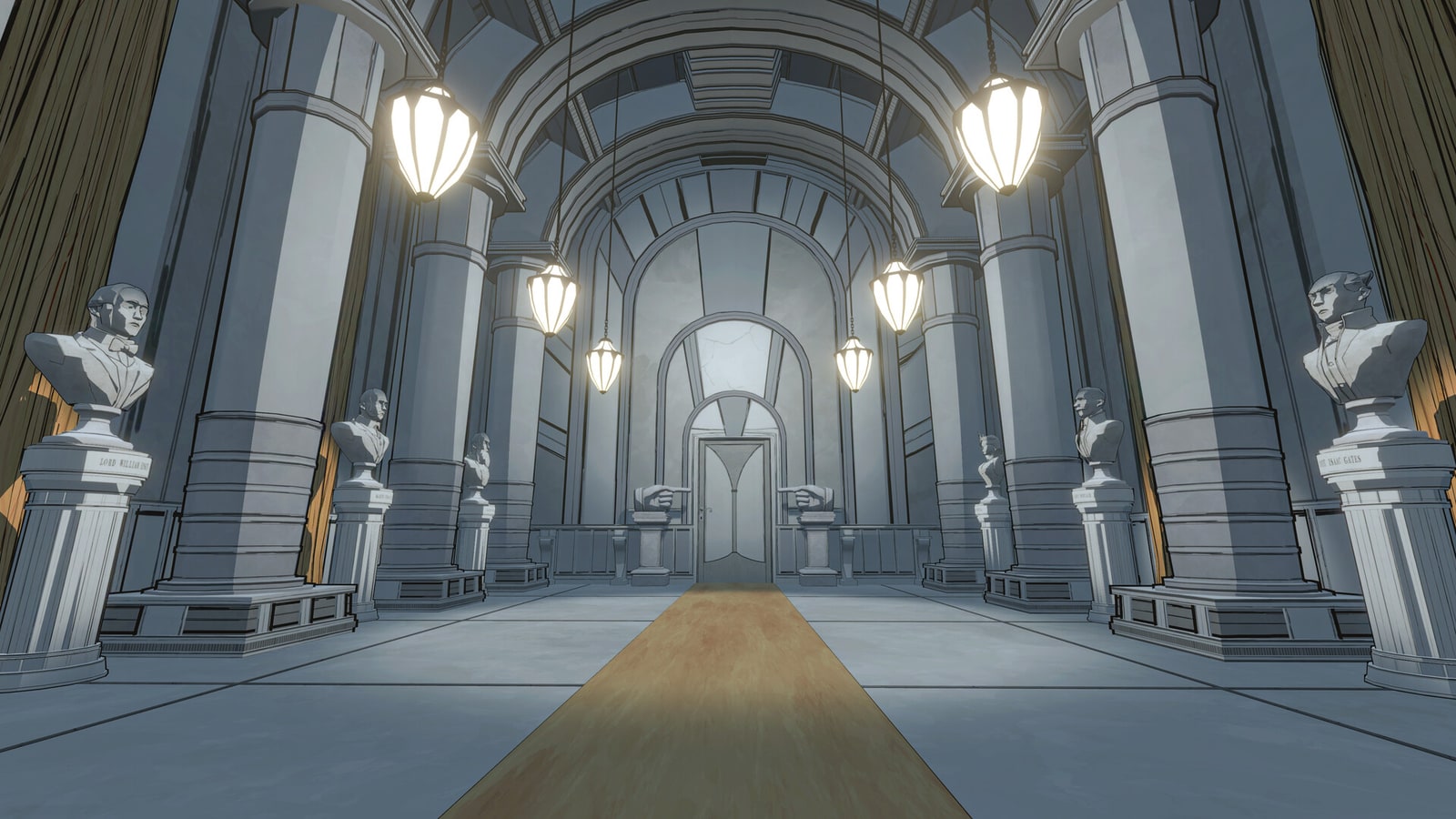
Blue Prince begins with a simple-sounding objective: find Room 46 in the manor at Mt. Holly. The complication is that the house does not offer a fixed route to learn. When the player reaches a closed door, they choose which room appears behind it, shaping the floor plan they will then have to navigate. [1]
That is a strong premise for anyone who enjoys planning a route almost as much as reaching the destination. The map becomes something you help construct, so a useful path is an outcome of your choices rather than a line waiting to be followed.
Dogubomb’s puzzle adventure was released on PC in April 2025. This is a spoiler-free examination of its published design, rather than a hands-on review or a claim that it has just launched. The absence of a new patch headline is part of its usefulness in our weekly mix: a good game can remain worth discussing after its release window closes. [2]
The door is a decision
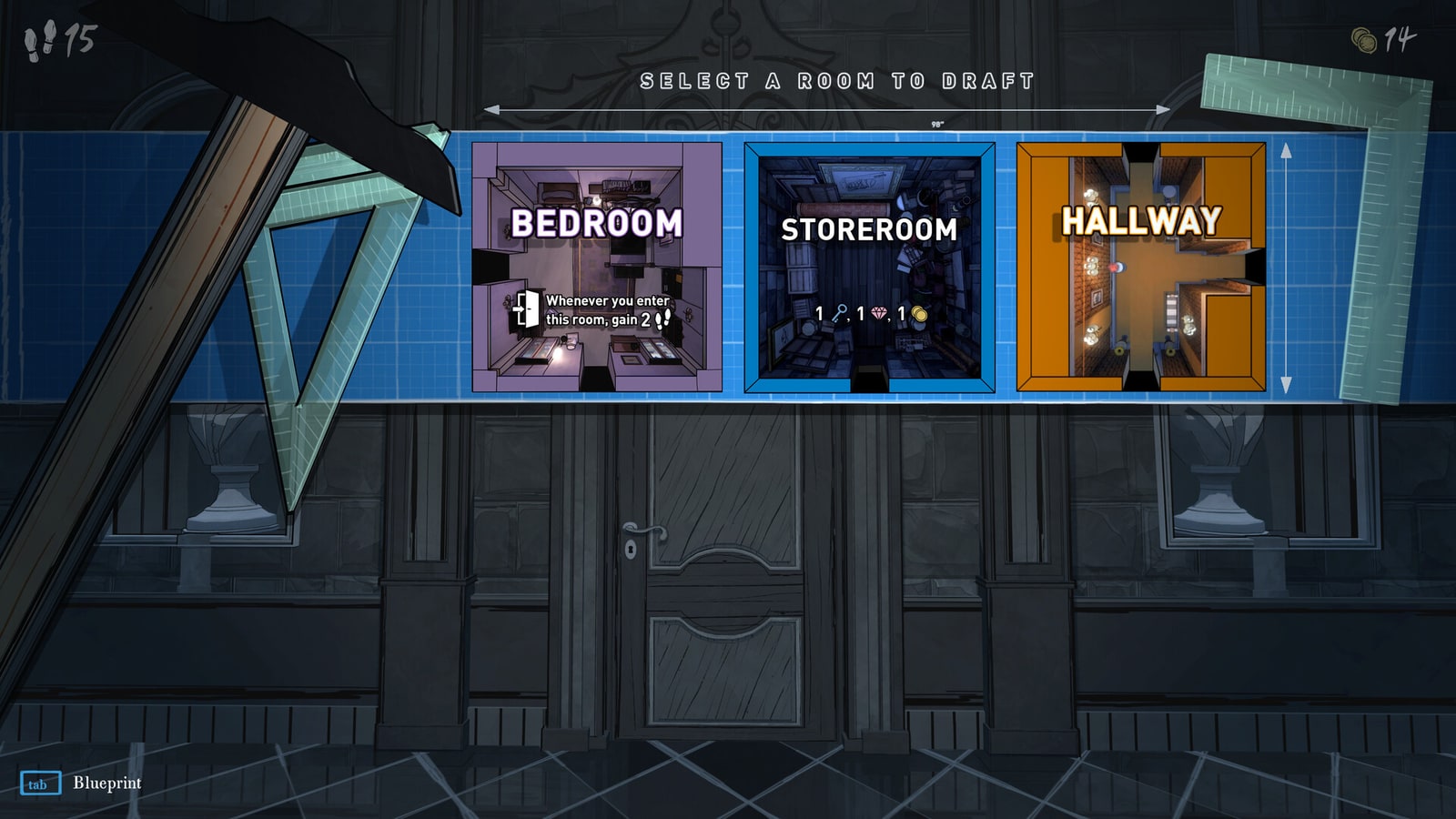
The official description says rooms bring their own challenges and secrets, while the items found inside can support different approaches to exploring the manor. Each new day resets the layout, although permanent estate upgrades can survive. [1]
The design implication is appealing. A room can be valuable because of what it contains, where it leads, or how it fits a plan you are already trying to make. That creates the possibility of a decision with more than one reasonable answer.
It also changes how a player might read the environment. In a fixed building, a corridor is usually something to move through. In a drafted building, space can become a resource. The player is considering not just the immediate room but the future it leaves open.
That does not automatically make every choice good. Randomness and limited options can produce disappointment as well as invention. The attraction is for players who enjoy adjusting a plan when the ideal piece does not appear, rather than those who want every obstacle to have one dependable route past it.
A reset does not have to erase understanding
There is an important difference between losing a floor plan and losing what you learned from it. A puzzle can leave a player better prepared even when the visible arrangement changes. A recognized pattern or a more useful question can be progress in its own right.
That kind of progress is harder to display than an experience bar. It asks the player to notice that a previous attempt changed how they approach the next one. For someone who likes solving systems, that can be the main reward. For someone who wants every session to leave a clear inventory improvement, it may be less satisfying.
The distinction is worth considering before choosing a game for the evening. A changing house sounds relaxing until you realise you wanted a straightforward mystery with an uninterrupted path through it. Neither preference is wrong; they simply describe different kinds of pleasure.
Keep the mystery larger than the route
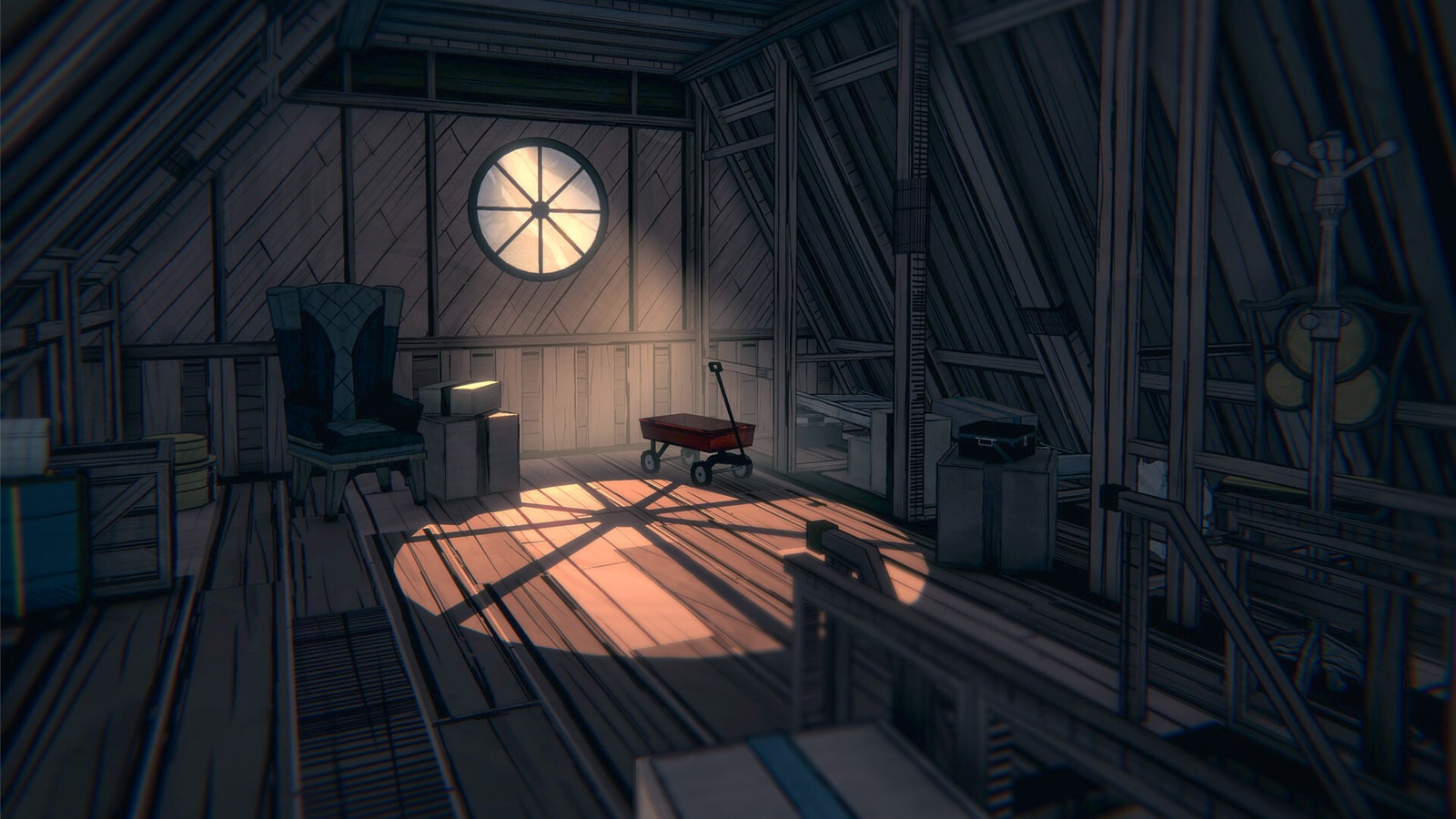
The official premise also places a family history beneath the search, involving political intrigue, blackmail, and a missing children’s author. Those are the public setup, not revelations from later puzzles. We are leaving the actual discoveries alone. [1]
The combination suggests an interesting relationship between investigation and construction. A mystery encourages you to ask what happened in a place. Drafting the place encourages you to consider how to reach the next piece of information. If those pressures support one another, moving through the house can feel like part of the inquiry rather than a delay before it.
That is also why detailed solutions would make a poor introduction. Knowing an answer can remove more than a difficult moment; it can remove the chance to recognise how several observations fit together. A useful preview should explain the kind of thinking invited without doing that thinking for the reader.
Who should put it on the shortlist?
Based on the design described by its creators, Blue Prince is most interesting for players who like revisiting an idea with better information. If you enjoy noticing connections, reconsidering an earlier assumption, and treating an unsuccessful route as material for the next attempt, the premise deserves a closer look.
It is a more cautious proposition for anyone who strongly dislikes resets or wants a puzzle to remain available in exactly the same arrangement until solved. The changing floor plan is central to the concept, not an optional flourish around an otherwise conventional house tour.
Our interest is in how neatly the main actions fit together. Choosing a room, exploring it, and reconsidering the route all serve the same larger problem. Blue Prince does not need a sword or a world map to offer a substantial planning challenge. Sometimes the next closed door is enough.
Sources and reporting
- Blue Prince — Dogubomb / Raw Fury. Published or updated: date not listed. Supports: Room 46 premise, room drafting, daily layout resets, permanent upgrades, items, and the publicly described mystery setup.
- Blue Prince — Dogubomb / Raw Fury via Steam. Published or updated: date not listed. Supports: April 10, 2025 PC release and developer/publisher identity.
About the author

Able, Chief Editor
Able has spent six years reviewing games and following the stories around them. He focuses on what changed, what is worth a player’s time, and the context that gets lost in the announcement cycle.
Read this editor’s profile