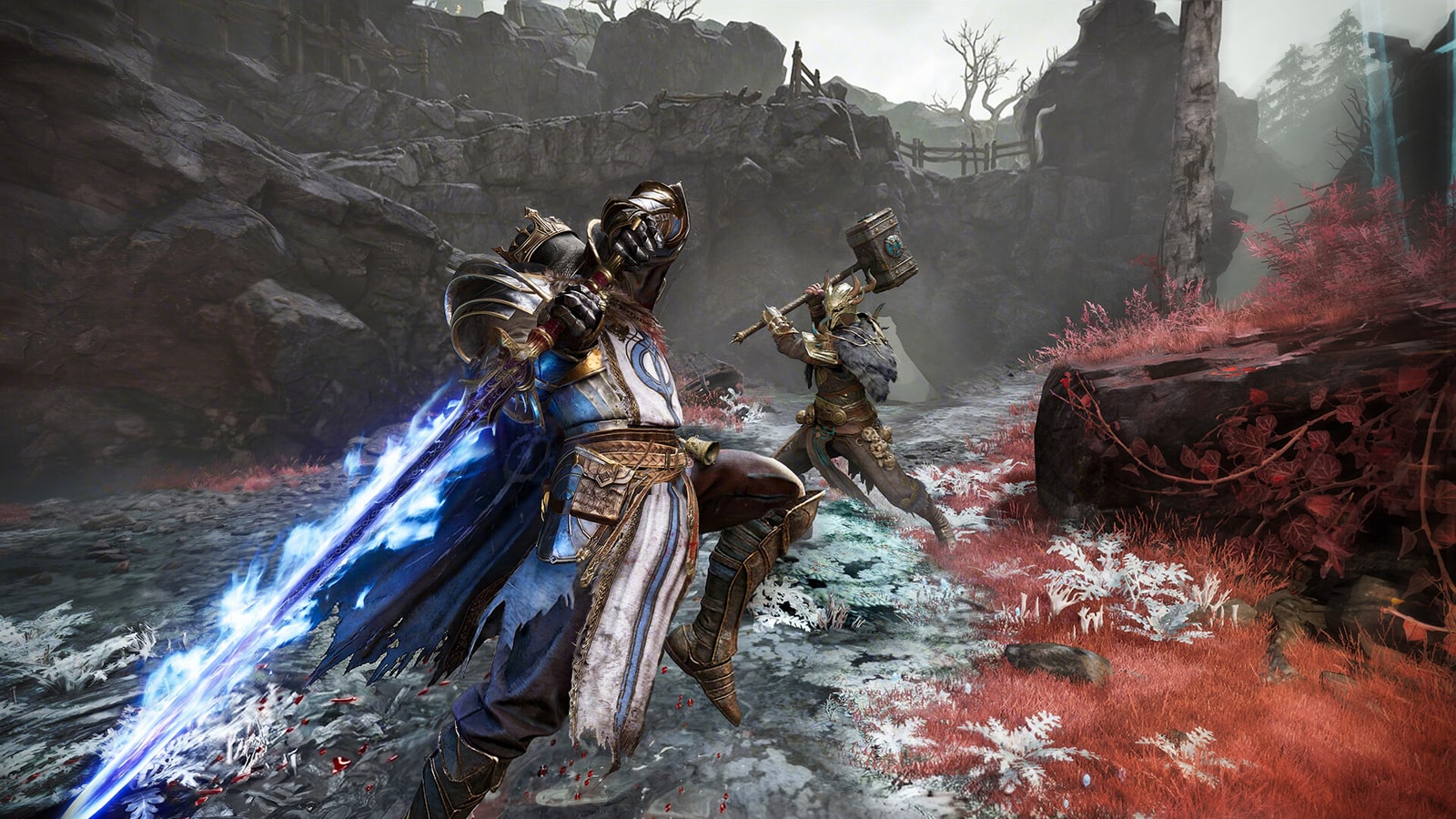
Mistfall Hunter’s October 15 update changes a small rule with potentially large consequences: certain low-impact ranged attacks no longer interrupt the healing-over-time effect of a Healing Elixir. The developers say melee characters were too easily prevented from recovering by basic ranged pressure, and explicitly describe the adjustment as experimental. [1]
It is an interesting place to intervene. A balance change does not always need to give a sword more damage or a spell a longer cooldown. Sometimes the deciding factor is whether a player can create enough breathing room to make another decision at all.
In an extraction game, that breathing room has a price. Backing off can surrender ground, leave a teammate exposed, or give an opponent time to organise. If even a light ranged hit keeps cancelling recovery, the player who controls distance may also control whether the other side gets to resume the fight.
Recovery is part of combat balance
The update names Blackarrow’s uncharged shots, the Sorcerer’s instant-cast basic attack spells, and the Reverent Seer’s Psionic Orbs as examples of attacks that no longer cancel the effect. It does not say all incoming damage is harmless to healing. Reading the change as blanket protection would miss the distinction the developers are trying to make. [1]
That distinction could make pressure more deliberate. Instead of treating every small hit as equally useful for shutting down recovery, attackers may need to choose a more consequential action or commit to closing the distance. Defenders may gain an opportunity to re-engage without receiving an effortless escape.
Those are possible consequences of the rule, not results we have measured. The important questions are whether melee players can meaningfully recover and whether ranged players still have understandable ways to punish a poor retreat. A mechanic can correct one frustrating interaction while creating another if the counterplay becomes too obscure.
Sword and shield gets another resource decision
Sword and Shield Mercenaries can now overdraw Energy when blocking. The developer frames this as compensation following an earlier increase to the Energy cost of the Perfect Defense talent. The patch also fixes Sorcerer issues and an exploit that let the Unstuck feature break crowd control and cancel recovery animations. [1]
An overdraft is more interesting than free defence if it gives the player a choice about when to accept a future cost. The question is whether that cost remains readable during a fight. Players should be able to understand why a block was possible, what it consumed, and what options remain afterward.
Removing an unintended escape from crowd control matters for the same reason. A combat system depends on its rules being consistent enough to learn. A clever decision and a loophole are not interchangeable merely because both prevent a death.
The larger argument is about the cost of another run
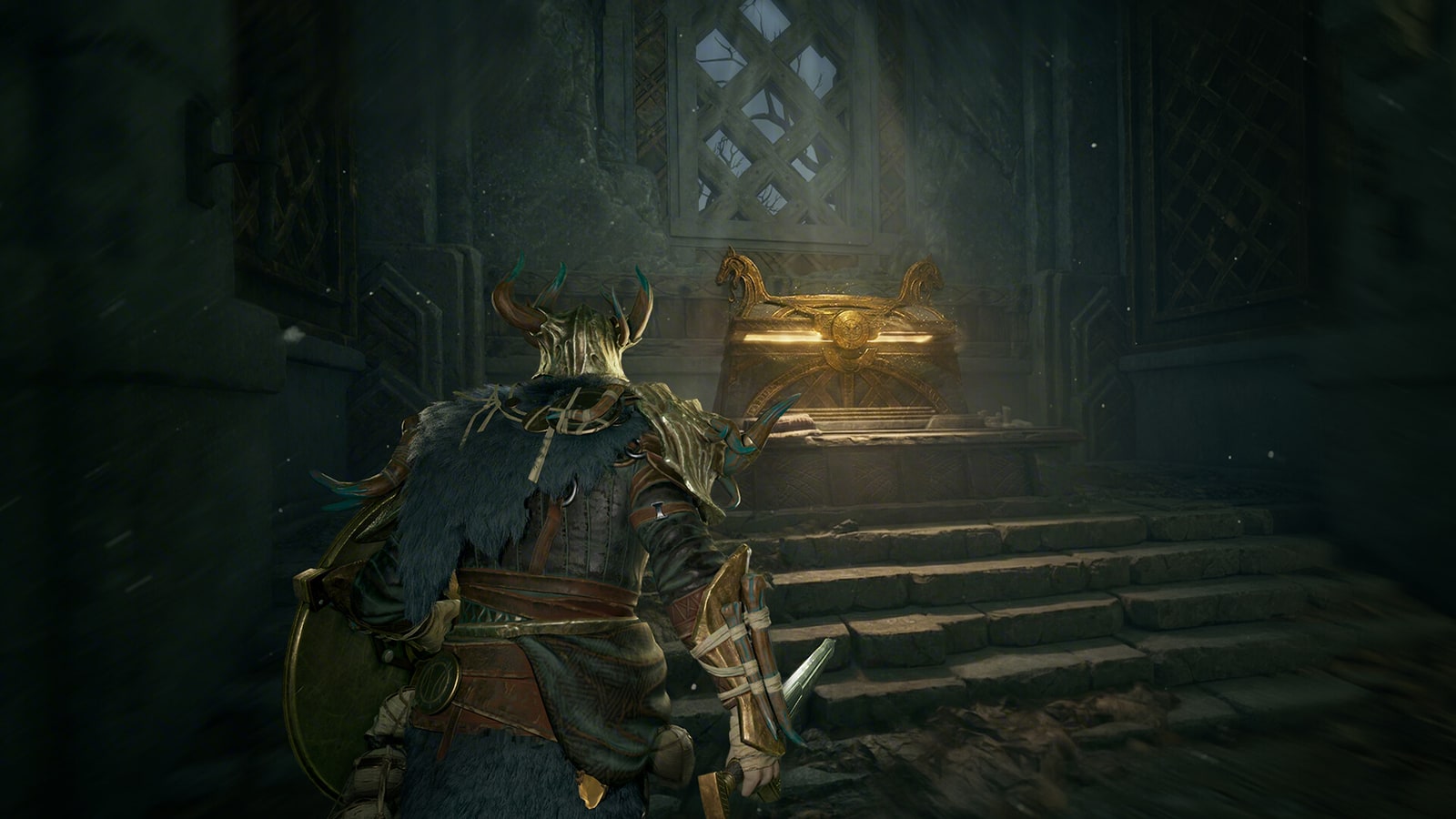
The studio’s September 30 community AMA provides useful context. It promised Season 2 work on loot acquisition, upgrade materials, and storage, while warning that changes would arrive over the season rather than all at launch. It also declined to add a Duo Mode or new regional servers at that time, citing concerns about dividing matchmaking populations. [2]
That sets out a tension familiar to extraction games. Players want the mode and connection that suit their circumstances, but splitting an audience into more queues can make it harder to find a suitable match. The developer’s explanation is a statement of its reasoning, not independent proof that the current arrangement is optimal.
Likewise, easier access to replacement equipment could make a loss less exhausting without making the fight itself trivial. A game can retain the risk of defeat while reducing the administrative work required to attempt something again. Losing a tense encounter is one experience; spending the next evening rebuilding a basic loadout is another.
What we would watch next
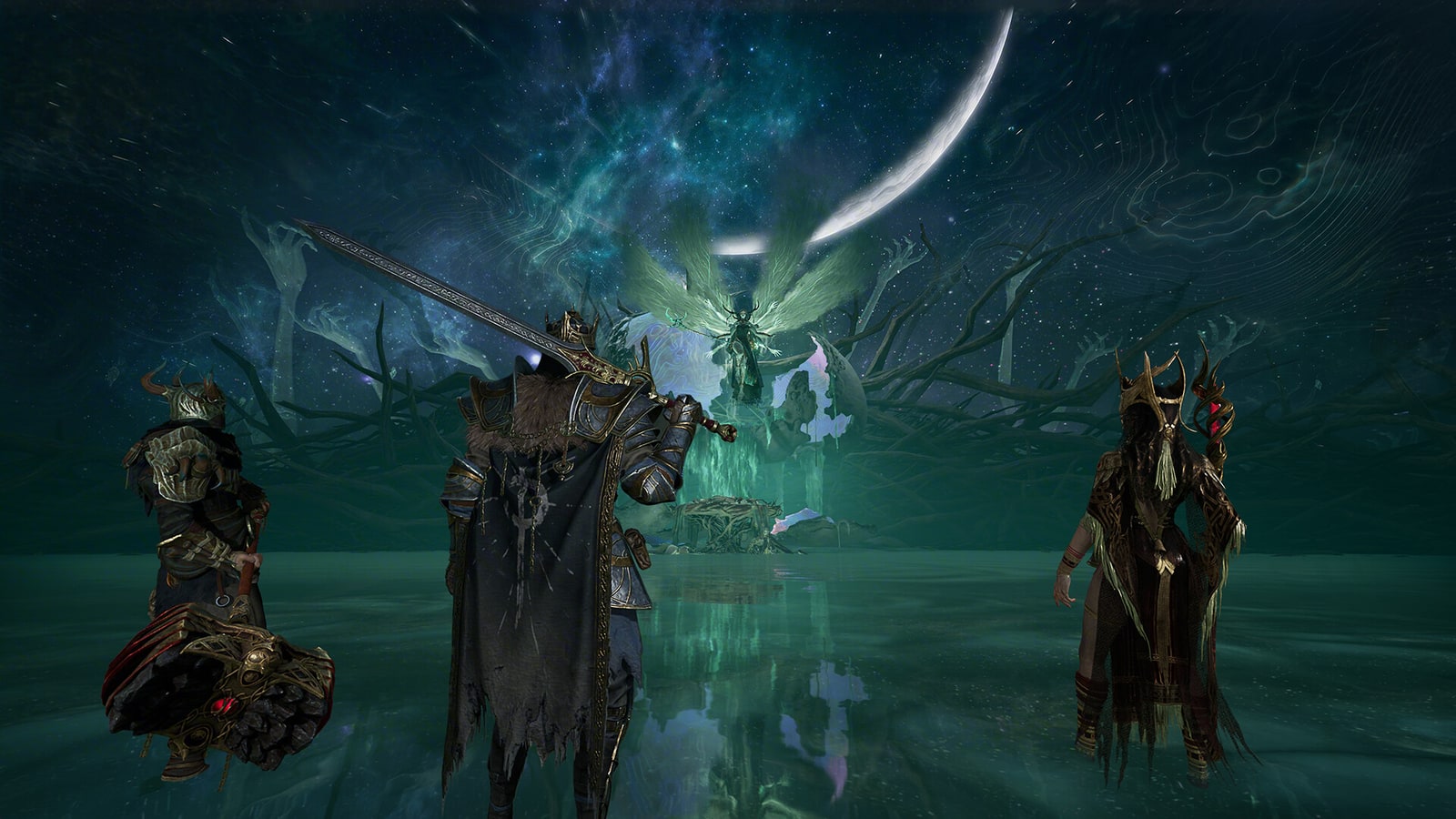
The healing change is the most revealing part of this update because it targets an interaction rather than simply promising more rewards. If it gives players a reasonable chance to reset while preserving ways to pursue them, it could make more fights feel contestable.
The alternative is a pattern where disengagement becomes too reliable, stretching encounters without improving them. That is why the developers’ experimental label is worth preserving. We would rather see a clearly explained adjustment followed by evidence and further tuning than a declaration that melee-versus-ranged balance is now solved.
For existing players, the practical takeaway is to revisit the assumptions behind a retreat, a light ranged attack, or an emergency block. Those actions may no longer interact in quite the same way. Whether that produces better fights is a question for actual matches, not a conclusion a patch note can award itself.
Sources and reporting
- October 15 Live Update — Mistfall Hunter developer via Steam. Published or updated: October 15, 2026. Supports: Experimental healing-interruption change and named attacks; Mercenary Energy overdraft; Sorcerer fixes; Unstuck exploit fix.
- Gyldenhunters' Council Phase 2 — Community AMA Responses — Mistfall Hunter developer via Steam. Published or updated: September 30, 2026. Supports: Season 2 loot and convenience plans, phased delivery, and stated reasons for declining Duo Mode and additional regions at that time.
About the author

Able, Chief Editor
Able has spent six years reviewing games and following the stories around them. He focuses on what changed, what is worth a player’s time, and the context that gets lost in the announcement cycle.
Read this editor’s profile